Voice-First Learning: How Children Can Explore Before They Can Read
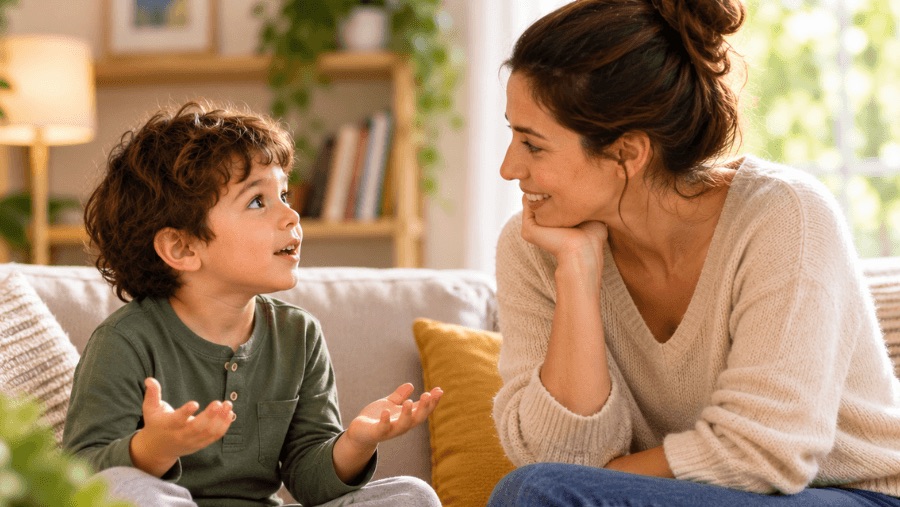
A child doesn't suddenly become curious when they learn to read. Curiosity comes years earlier.
A four-year-old may want to know why volcanoes erupt, where whales sleep or what Saturn's rings are made of, but they can't Google it, type a search or read an encyclopedia by themselves yet.
Voice-first learning helps close that gap.
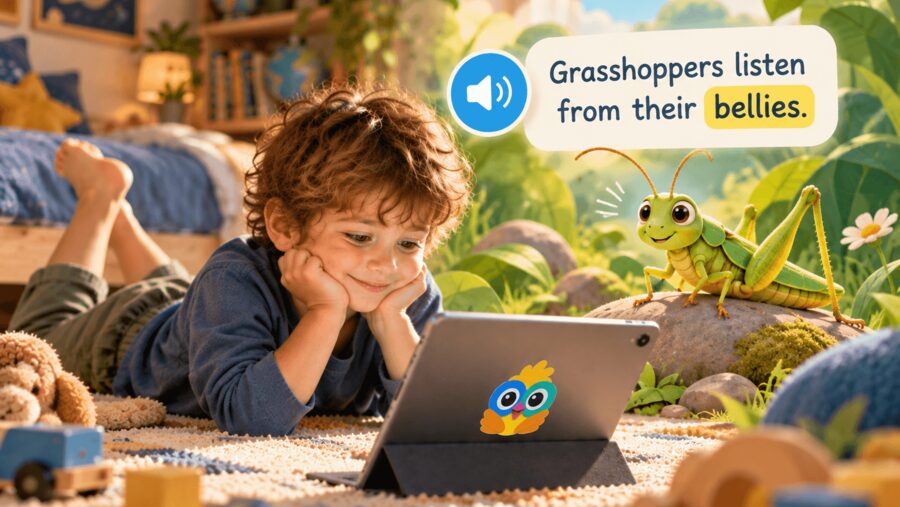
Instead of making reading the entrance ticket to knowledge, narration lets pre-readers explore it for themselves.
Why Is Reading a Barrier to Independent Discovery?
Most information in the world is designed for people who can read.
That means a curious preschooler usually needs an adult to translate their curiosity into an answer: read the book, type the search or explain what something means.
The curiosity belongs to the child. But access to the knowledge still belongs to the adult.
Voice changes that. It's the same gap we explored in when curiosity outpaces reading.
What Does "Voice-First" Actually Mean?
Voice-first doesn't simply mean putting a speaker button beside a page of text.
It means designing the whole experience around a child who doesn't read yet.
Topics need to be easy to recognise visually. Navigation needs to work without written instructions. Information needs to be short enough to follow by listening.
And the child needs to be able to decide: What do I want to discover next?
Does Voice-First Learning Replace Reading?
No, and it shouldn't.
Reading is an essential skill children will develop over time. Voice-first exploration simply means they don't have to wait until then to start learning independently.
Read-along word highlighting can also help children begin connecting the words they hear with the words they see.
How Does Wikids Work for Pre-Readers?
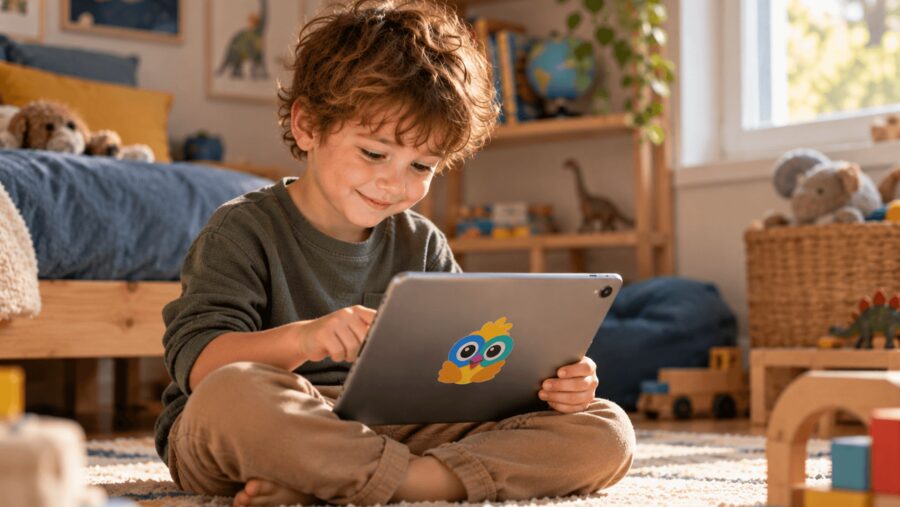
Wikids is a narrated, visual encyclopedia designed specifically for children ages 3-7.
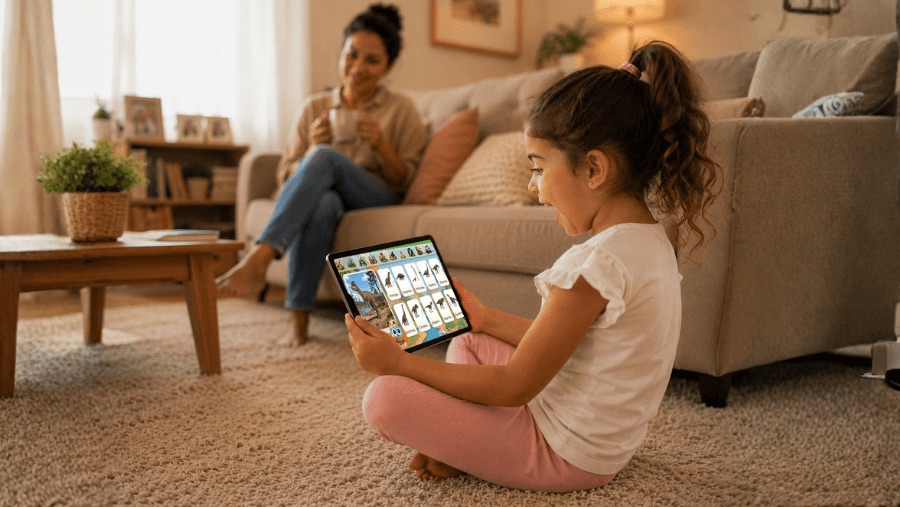
Children can choose a topic, listen to a short explanation, see real images and videos, and follow connections to whatever catches their curiosity next.
No typing. No searching. No reading required.
Because before children can search the world, they can already be curious about it.
FAQ
Can children learn independently before they can read?
Yes. Independent learning can begin through choosing, listening, observing and exploring, long before independent reading develops.
What is voice-first learning for preschoolers?
It is an experience designed so children can access and navigate knowledge primarily through listening and visuals rather than reading or typing.
Does listening replace learning to read?
No. Voice-first exploration complements literacy development; it doesn't replace reading instruction.
What ages is Wikids designed for?
Wikids is designed primarily for curious pre-readers ages 3–7.
Can my child use Wikids without my help?
The interface and narrated content are designed so pre-readers can explore independently once the app has been set up by a parent.