When Curiosity Outpaces Reading: Opening the World for Independent Explorers

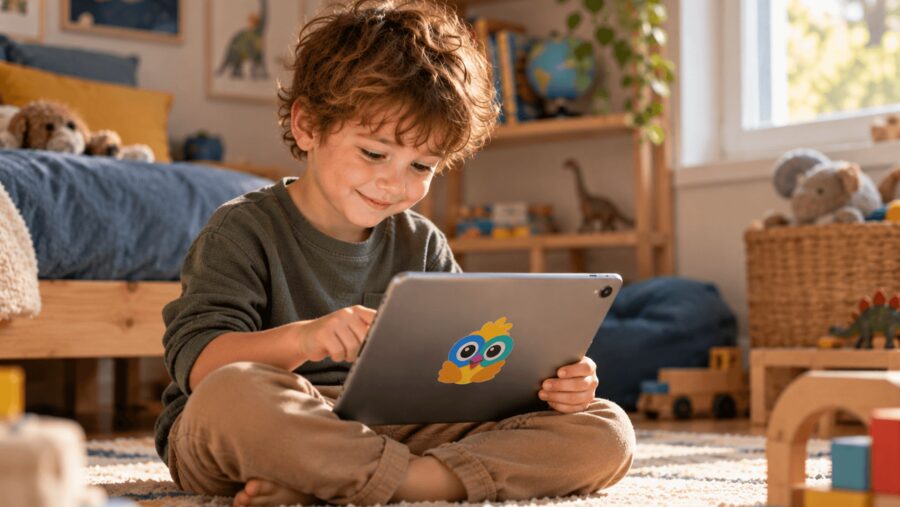
Children can begin exploring and learning independently long before they can read. When information is presented through narration, images, videos, and child-friendly navigation, pre-readers can follow their curiosity and discover the world without depending on an adult to read or search for them.
There is a specific, beautiful window in childhood, between the ages of 3 and 7, where a child's curiosity is moving at a hundred miles an hour, but their reading skills are still catching up. They are hungry to explore the world, but the information is often locked behind text they cannot yet decode.
Removing the Bottleneck, Fueling the Spark
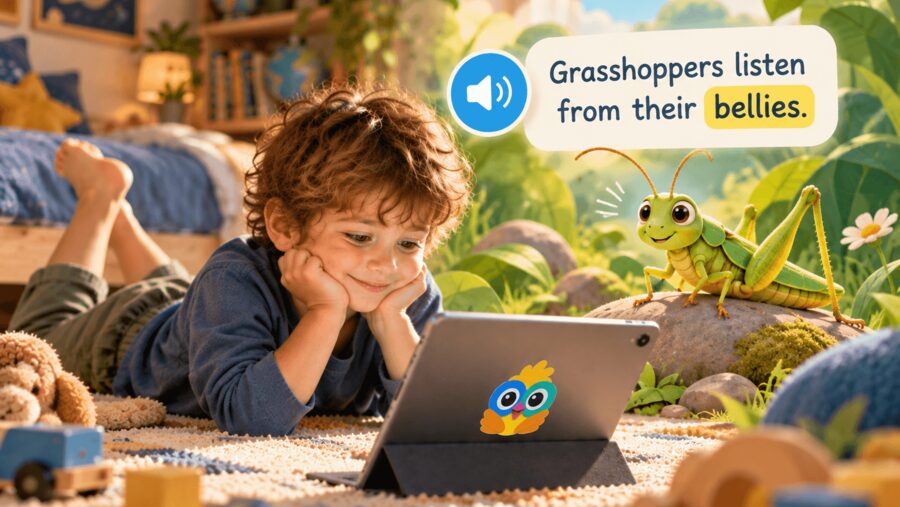
Usually, this creates a dependency: children have to wait for an adult to be free to "read it for them." But we know that many of the best "whys" happen when parents are busy. Wikids changes that. By providing a narrated, visual encyclopedia, we give children the keys to the library. They do not have to wait for an adult to be free; they can dive into a world of knowledge whenever that spark of curiosity strikes.
The Pure Joy of Exploration (No Distractions!)
Unlike many apps, Wikids is not a game or a "question-and-answer" engine. It is a space for pure exploration. There are no distracting rewards and no quizzes at the end. Think of it like an adult reading a fascinating newspaper article: you read it for the joy of knowing, not because there is a test at the end.
Our children listen to the narrated entries and absorb the information naturally. No tests, no distractions, just pure wonder. The "test" happens later, at the dinner table, when they proudly pull a fact from their memory and share it with the world.
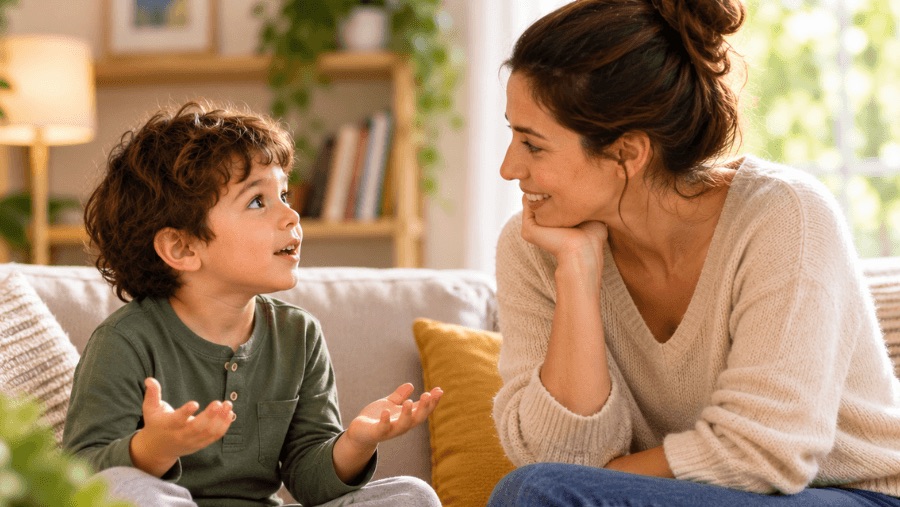
This independence creates a powerful cycle. When a child explores a topic on their own terms, they gain a sense of ownership over that knowledge. That recognition they feel when they teach you something new is the ultimate reward. It builds the confidence to keep exploring, turning curiosity into a lifelong habit.
If you see your child deeply focused on an entry about space or ancient Egypt, let them linger. Just like us, they are "reading" their world. Instead of asking "What did you learn?", wait for them to come to you. When they finally drop that "knowledge bomb," the pride in their eyes will tell you everything you need to know.
Narration Built for Children, Not a Voice Assistant
Voice is what makes Wikids accessible to pre-readers, but it's worth distinguishing from a general voice assistant like the ones built into many homes. Those tools are designed to answer anything, out loud, without knowing whether the listener is four years old. Wikids' narration is the opposite: every entry is written and narrated specifically for a young child, with no open-ended questions and no unpredictable answers.
Frequently Asked Questions
Can children learn independently before they can read?
Yes. Children don't need to read independently to explore and learn independently. When information is presented through narration, images, videos, and simple child-friendly navigation, pre-readers can choose what interests them, follow their curiosity, and discover new things on their own.
How can a child explore information without being able to read?
Pre-readers can explore information through visual and audio-based experiences that don't depend on written text. Narration, real images, short videos, and intuitive navigation can give young children access to knowledge without needing an adult to read or search for them.
Why is independent exploration important for pre-readers?
Independent exploration gives young children the freedom to follow their own interests. Instead of waiting for an adult to provide the next answer or choose the next topic, children can decide what they want to discover and where to go next, giving them a greater sense of ownership over the experience.
What is the difference between independent learning and learning to read?
They are not the same thing. Learning to read is the process of developing reading skills. Independent learning means being able to explore, discover, and engage with new ideas without depending on someone else to lead every step. Children can begin learning independently long before they can read independently.
How can parents encourage independent learning in preschoolers?
Give children opportunities to make choices, follow their interests, ask questions, and explore before stepping in with an answer. The goal isn't to leave children to learn alone, but to give them age-appropriate ways to take the lead in their own discovery.
How does Wikids help children who can't read yet?
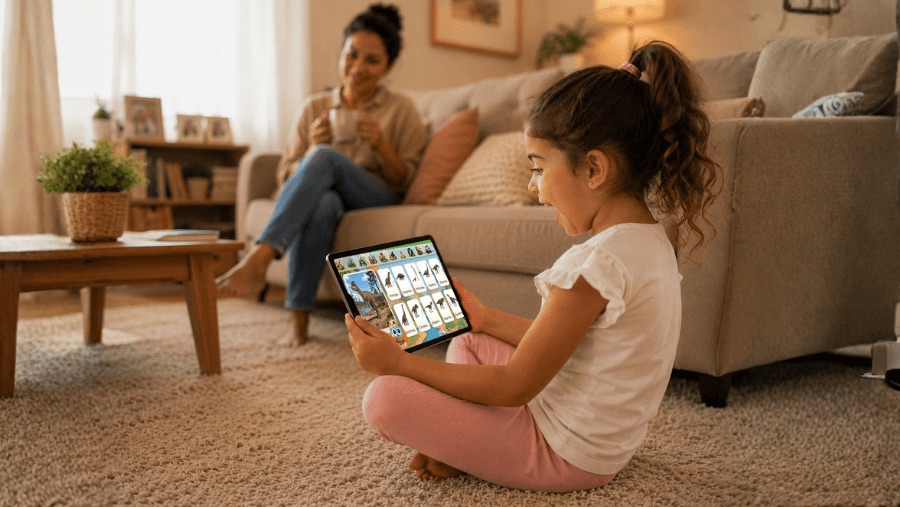
Wikids is a narrated, visual encyclopedia designed specifically for curious pre-readers. Children ages 3–7 can independently explore topics through narration, real images, short videos, and simple navigation, allowing them to follow their curiosity without needing an adult to read or search for them.
Can pre-readers safely use general voice assistants on their own?
General voice assistants aren't designed specifically for young children and can respond to almost any request, which makes their answers unpredictable. Wikids' narration is pre-written and reviewed for a young audience, so what a child hears is always age-appropriate.
How is Wikids' narration different from a voice AI assistant?
Wikids narrates fixed, curated entries chosen in advance for children ages 3–7. A voice assistant generates open-ended responses to whatever is asked, in real time, without that same age-specific review.