The Joy of the Little Expert

There is a special kind of magic in those quiet moments when your child casually drops a "knowledge bomb" into a conversation. Whether it is your four-year-old mentioning, completely out of the blue, that an octopus actually has three hearts, or your six-year-old confidently explaining exactly where pizza was first invented, the feeling is the same: pure pride.
In those moments, the roles flip. They are not just "the kids" anymore; they are the experts, the explorers, and the ones bringing new ideas to the table. When a child gains the tools to discover independently, it is about so much more than just trivia, it is about the incredible boost in self-esteem that comes from being the one to say, "Guess what I discovered today?"
At Wikids, we live for that sparkle in their eyes when they realize that even before they can read, the whole world is already theirs to explore.
The Knowledge Snowball
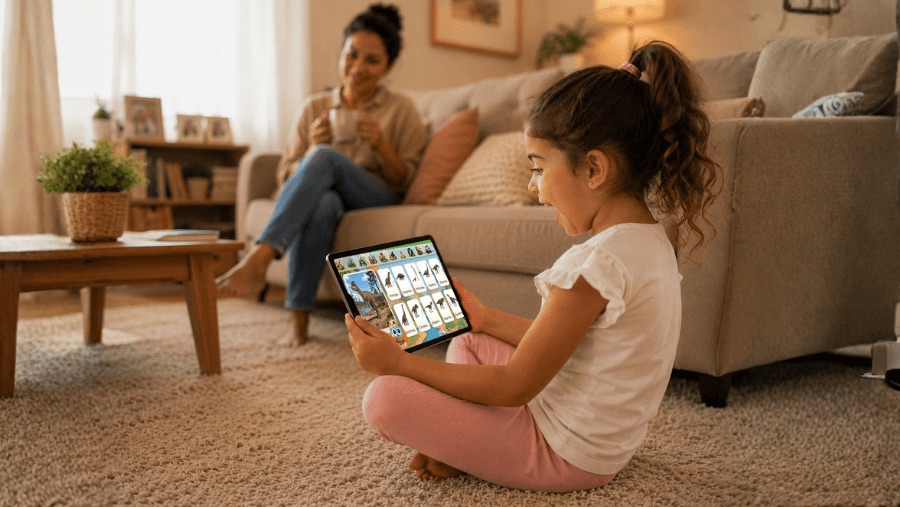
When we show genuine wonder at what they have shared, we give them more than just praise, we give them recognition. This creates a beautiful "knowledge snowball." Once a child feels the thrill of being the one to "break the news" to mom or dad, this can create a positive cycle of curiosity: they discover something, experience the excitement of sharing it, and feel motivated to go back and explore again.
At Wikids, we are not just sharing facts; we are fueling the self-esteem that turns little listeners into confident lifelong learners.
The next time your child shares a discovery, try the "Curious Student" method. Instead of just saying "Great job!", ask a follow-up question that keeps them in the lead: "Wow, I did not know that! I wonder if other tall animals sleep like that too?"
By making them the official "Source of Knowledge" in the house, you give them a mission. Your recognition is the fuel that sends them back to explore, learn, and grow.
Where Does the "Knowledge Bomb" Come From?
Part of what makes a child's discovery feel safe to celebrate is knowing where it came from. Every fact a child shares from Wikids comes from curated, expert-reviewed content, not from user-generated posts, ads, or an open AI chat that could say anything. Parents can enjoy the "Guess what I discovered today?" moment knowing the source behind it was built specifically for young children.
Frequently Asked Questions
Why do children love sharing what they have learned?
Sharing a new discovery gives children a chance to become the “expert” for a moment. When a parent listens with genuine interest and asks questions, the child experiences pride and ownership over what they discovered, which can encourage them to keep exploring and learning.
How does independent discovery build confidence in young children?
When children discover something for themselves, the knowledge feels like theirs. That “I found it!” experience can strengthen their sense of independence and confidence, especially when they get to share what they discovered with someone they care about.
How can parents encourage children to keep exploring?
Show genuine interest when your child shares something new. Instead of simply saying “Good job,” try asking a follow-up question such as, “Wow, how did you discover that?” or “What else did you find out?” This keeps the child in the role of explorer and can turn one discovery into the beginning of another.
Why is the “Aha!” an important moment for young children?
An “Aha!” moment is the excitement a child feels when something suddenly makes sense or they discover something for themselves. The enjoyment and sense of achievement associated with discovery can help make learning feel rewarding and encourage further exploration.
Can children learn independently before they can read?
Yes. Pre-readers can explore independently when information is presented in ways they can access without relying on written text, such as narration, images, videos and simple child-friendly navigation. Wikids is designed specifically to give children ages 3–7 this kind of independent access to knowledge.
How does Wikids encourage independent learning?
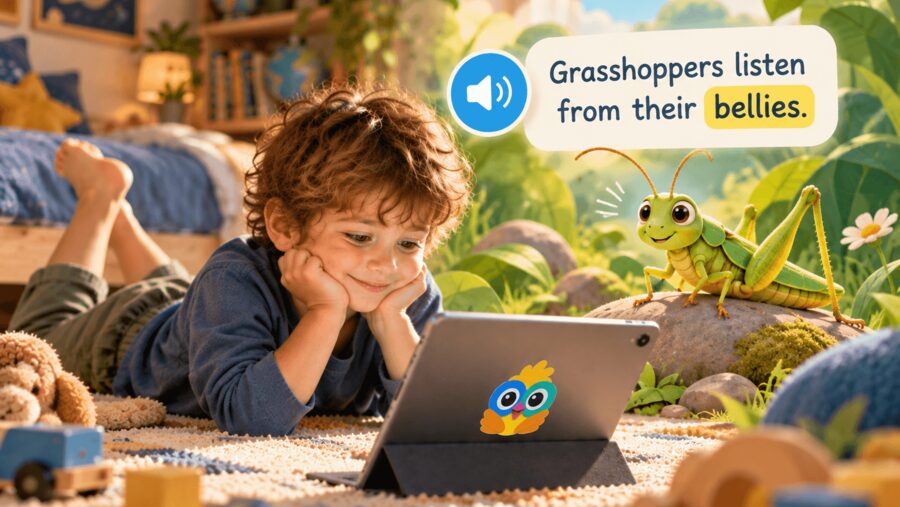
Wikids lets young children choose what interests them and follow their curiosity from one topic to another. Narrated, visual content allows pre-readers to explore without depending on an adult to search or read for them, giving them the opportunity to come back and proudly say, “Guess what I discovered!”
Where does Wikids' information come from?
All entries are curated and produced by the Wikids team, working with child psychologists and literacy experts. There is no user-generated content.
Is there any user-generated content in Wikids?
No. Every entry is created and reviewed by Wikids, so children only explore content designed and approved for their age group.