The Joy of the Little Expert

The Joy of the Little Expert

There is a special kind of magic in those quiet moments when your child casually drops a "knowledge bomb" into a conversation. Whether it is your four-year-old mentioning, completely out of the blue, that an octopus actually has three hearts, or your six-year-old confidently explaining exactly where pizza was first invented, the feeling is the same: pure pride.

In those moments, the roles flip. They are not just "the kids" anymore; they are the experts, the explorers, and the ones bringing new ideas to the table. When a child gains the tools to discover independently, it is about so much more than just trivia, it is about the incredible boost in self-esteem that comes from being the one to say, "Guess what I discovered today?"

At Wikids, we live for that sparkle in their eyes when they realize that even before they can read, the whole world is already theirs to explore.

The Knowledge Snowball

When we show genuine wonder at what they have shared, we give them more than just praise, we give them recognition. This creates a beautiful "knowledge snowball." Once a child feels the thrill of being the one to "break the news" to mom or dad, it creates an addictive cycle of curiosity: they discover a fact, see your amazed reaction, and immediately race back to find the next secret to teach you.

At Wikids, we are not just sharing facts; we are fueling the self-esteem that turns little listeners into confident lifelong learners.

Wikids Tip: How to keep the snowball rolling

The next time your child shares a discovery, try the "Curious Student" method. Instead of just saying "Great job!", ask a follow-up question that keeps them in the lead: "Wow, I did not know that! I wonder if other tall animals sleep like that too?"

By making them the official "Source of Knowledge" in the house, you give them a mission. Your recognition is the fuel that sends them back to explore, learn, and grow.

The Web of Wonder: How Your Child's Curiosity Actually Works

How Curiosity Actually Works

As adults, we think in straight lines. But a child's mind works like a beautiful, branching web. A quiet moment learning about koalas might trigger a thought about Australia, which naturally flows into a discovery about the Great Barrier Reef, and suddenly, they are deep into learning why the ocean is blue.

Connecting the Dots

At Wikids, we do not just provide facts; we build bridges. Our platform mirrors the natural, associative way children think. Instead of a rigid "A to Z" curriculum, we empower your child to pull on any thread that excites them. When they navigate these connections independently, they are not just "jumping around," they are building a mental map of the world.

This independence turns a simple fact into a Journey of Discovery, where they are the captains of their own ship.

Start the Journey Today

Want to see the web in action? Encourage your little explorer to start today. Watch how the app invites them to leap to Australia, and see where their curiosity takes them next. By the time they reach the stars, they will not just know more, they will feel more capable than ever to explore the world on their own.

When Curiosity Outpaces Reading: Opening the World for Independent Explorers

When Curiosity Outpaces Reading

There is a specific, beautiful window in childhood, between the ages of 3 and 8, where a child's curiosity is moving at a hundred miles an hour, but their reading skills are still catching up. They are hungry to explore the world, but the information is often locked behind text they cannot yet decode.

Removing the Bottleneck, Fueling the Spark

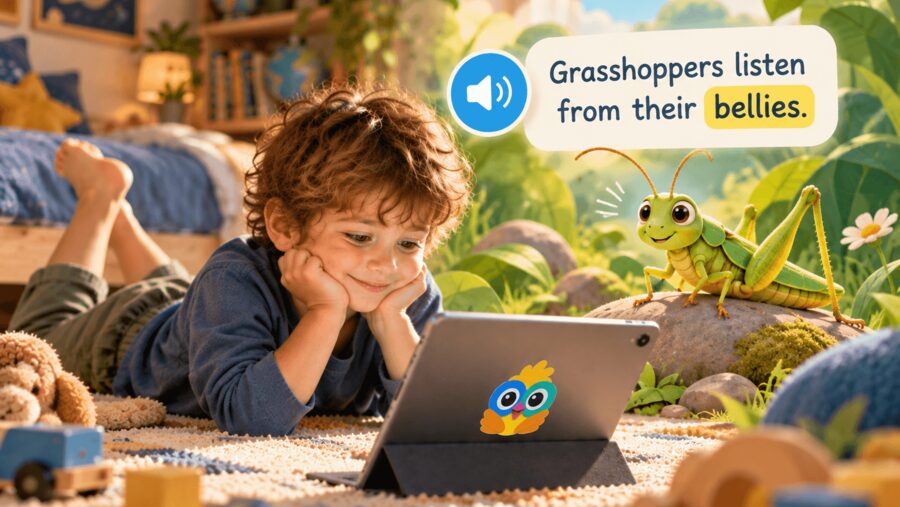
Usually, this creates a dependency: children have to wait for an adult to be free to "read it for them." But we know that many of the best "whys" happen when parents are busy. Wikids changes that. By providing a narrated, visual encyclopedia, we give children the keys to the library. They do not have to wait for an adult to be free; they can dive into a world of knowledge whenever that spark of curiosity strikes.

The Pure Joy of Exploration (No Distractions!)

Unlike many apps, Wikids is not a game or a "question-and-answer" engine. It is a space for pure exploration. There are no distracting rewards and no quizzes at the end. Think of it like an adult reading a fascinating newspaper article: you read it for the joy of knowing, not because there is a test at the end.

Our children listen to the narrated entries and absorb the information naturally. No tests, no distractions, just pure wonder. The "test" happens later, at the dinner table, when they proudly pull a fact from their memory and share it with the world.

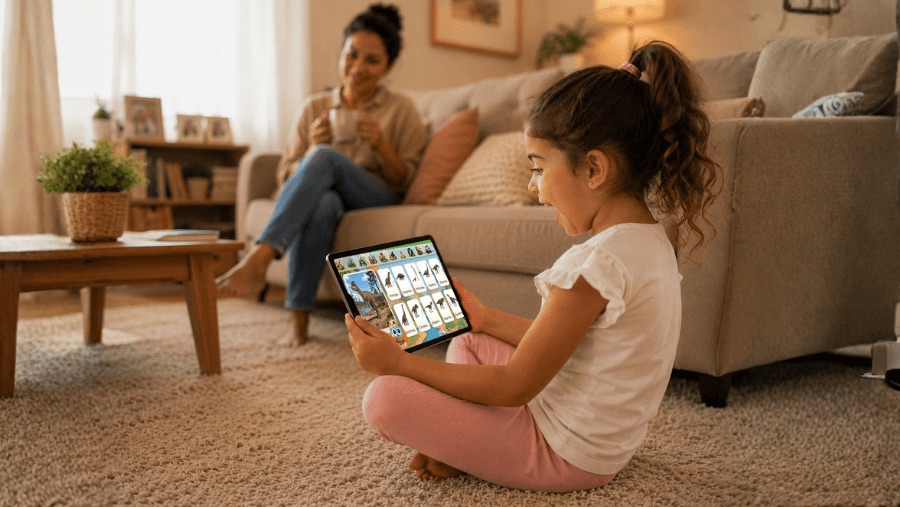
This independence creates a powerful cycle. When a child explores a topic on their own terms, they gain a sense of ownership over that knowledge. That recognition they feel when they teach you something new is the ultimate reward. It builds the confidence to keep exploring, turning curiosity into a lifelong habit.

Wikids Tip: Respect the exploration

If you see your child deeply focused on an entry about space or ancient Egypt, let them linger. Just like us, they are "reading" their world. Instead of asking "What did you learn?", wait for them to come to you. When they finally drop that "knowledge bomb," the pride in their eyes will tell you everything you need to know.

The "Aha!" Moment: Why Real Discovery Beats Digital Trophies

Why Real Discovery Beats Digital Trophies

In an era of flashing lights and "instant answers," it is easy to think that children need games and gold stars to stay engaged. But at Wikids, we believe in a more powerful engine: intrinsic motivation.

The Problem with Instant Rewards

When an app relies on points and trophies, a child's focus shifts from the subject to the score. These external rewards provide a quick hit of dopamine, but they do not build deep understanding. In fact, "instant-fix" answers can actually bypass the critical thinking process that young brains need to grow.

The Natural High of Discovery

True cognitive development happens in the "Aha!" moment, that incredible second when a child connects two ideas on their own. There are no quizzes or "correct" buzzers in Wikids because we want the reward to be the discovery itself.

By removing the distractions of gamification, we allow children to experience a calm, focused flow. When they figure out a connection, like how wind relates to weather, their brain receives a natural, lasting satisfaction. This is not just "learning facts"; it is training the brain to find joy in the process of investigation.

The Ultimate Recognition

The real "level up" does not happen on a screen. It happens when they share that discovery with you. That internal pride of saying, "I figured this out," is what builds a lifelong learner. When we value the journey of exploration over the speed of the answer, we give our children a gift that lasts much longer than a digital trophy.

Wikids Tip: Protect the silence

When your child is exploring, resist the urge to jump in with the "correct" answer or a leading question. Let them sit with the information. The longer they spend in that "searching" phase, the more powerful that final "Aha!" moment will be when they finally share it with you.